The modern dating app may be one of the most efficient consumer systems ever created. It streamlined attraction, minimized effort, and transformed intimacy into something scalable, measurable, and endlessly scrollable. But in doing so, it also quietly altered how people perceive value, attention, and even time itself.
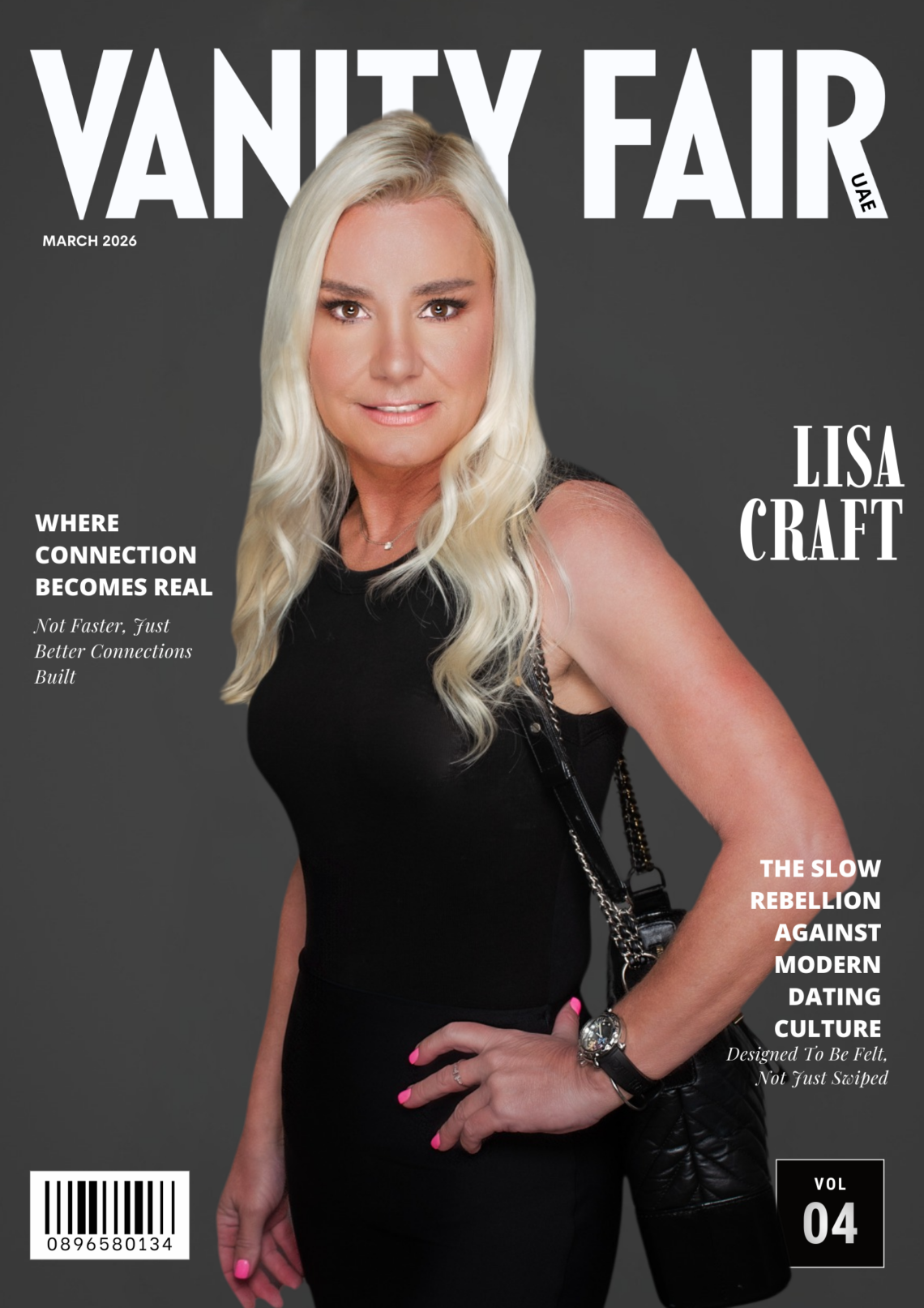
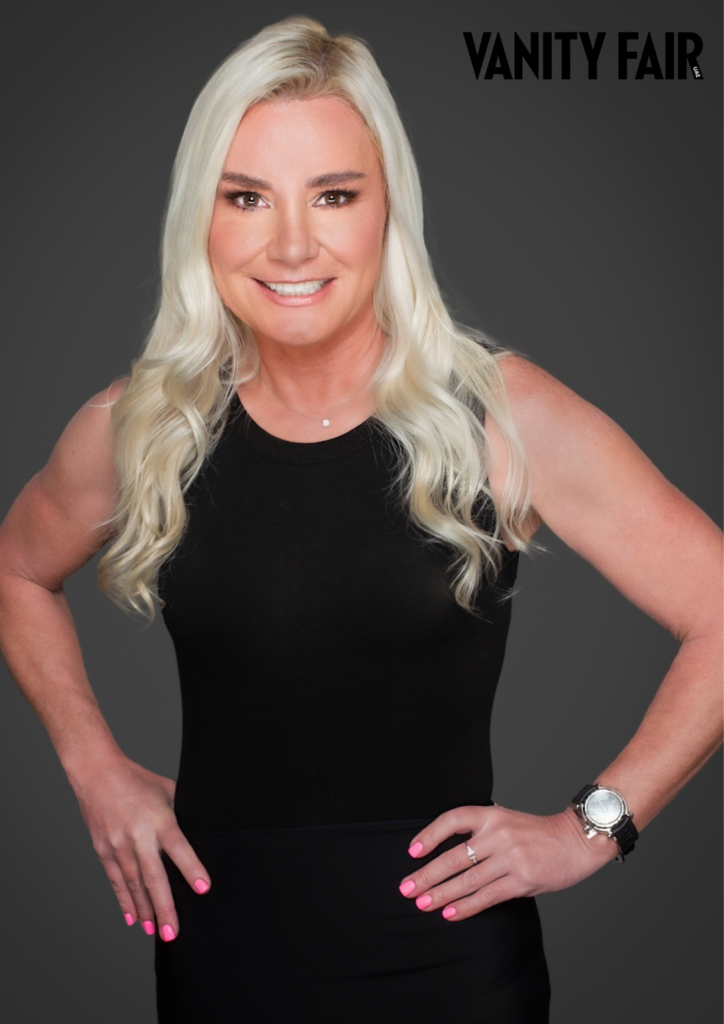
Lisa Craft is not trying to outcompete that system. She is trying to question it at its core.
As the Los Angeles–based founder of AdventureDating.com, Craft has built her platform around a premise that feels almost radical in today’s tech landscape: faster is not always better. In a category driven by engagement metrics, dopamine loops, and infinite choice, she is building something intentionally slower, more structured, and fundamentally more human.
This isn’t a nostalgic attempt to bring back old-school romance. It’s a strategic redesign of how connection begins.
The Problem Was Never Efficiency
Swipe culture didn’t collapse because it was flawed. It struggled because it succeeded too well—just not in the right direction.
Dating apps optimized for attention.
Endless profiles created endless comparison. Conversations became placeholders rather than pathways. Momentum stayed trapped inside the app, rarely translating into meaningful real-world interaction. What users experienced wasn’t a lack of opportunity, but a surplus of indecision.
Lisa Craft identified a pattern that traditional metrics often overlook: people weren’t struggling to meet others—they were struggling to move forward.
Chat fatigue replaced curiosity. First dates felt transactional, almost rehearsed. Chemistry, instead of unfolding naturally, was forced into narrow, contextless interactions.
Real connection doesn’t live in a chat thread. And yet, that’s where most platforms keep people.
From Matches to Moments
Adventure Dating shifts the focus entirely. It doesn’t begin with endless messaging—it begins with a shared experience.
Instead of asking, “Do you match?” it asks, “What will you do together?”
That difference is everything.
The platform curates real-world experiences: a concert under the open sky, a scenic coastal walk, a casual but intentional brunch, a live game filled with energy. These aren’t extravagant gestures—they’re structured environments designed to create something far more valuable than compatibility scores: memory.
Because memory anchors connection.
When two people share an experience, they don’t just exchange words—they build context. Laughter, movement, atmosphere—these elements shape perception in ways profiles never can. The interaction becomes lived, not imagined.
In a world dominated by digital abstraction, that shift feels powerful.
Structure as a Form of Respect
What makes Craft’s model stand out is not luxury—it’s clarity.
Each interaction is designed with intention:
- Clear start and end times
- Thoughtfully selected venues
- Environments that encourage presence over distraction
- Simplicity over chaos
Daylight replaces dim, noisy settings. Logistics reduce uncertainty instead of amplifying it. There’s no ambiguity about what the experience is or where it’s going.
In this system, structure becomes a form of respect.
It signals effort. It communicates seriousness. It removes the emotional friction that often defines modern dating.
This isn’t about impressing someone—it’s about showing up correctly.
The Discipline of Slowing Down
Building something slower in a hyper-accelerated industry requires a kind of discipline most founders avoid.
The startup world rewards speed. Growth is celebrated. Expansion is expected. But Craft has resisted the pressure to chase velocity for its own sake.
Instead of adding features endlessly, she has focused on coherence. Instead of appealing to everyone, she has refined a specific audience: individuals who value time, intention, atmosphere, and alignment.
This restraint is not hesitation—it’s strategy.
Fast decisions in emotionally driven industries often lead to fragmentation. Teams become reactive. Products lose identity. Vision gets diluted.
Craft’s approach is different. She prioritizes clarity over urgency—not just in her product, but in her leadership.
Her daily routine reflects this philosophy. Movement and exercise are non-negotiable. They’re not just habits; they’re tools for recalibration. They create space for better decisions and prevent reactive thinking.
It’s a quiet rejection of hustle culture.
For Craft, success isn’t about constant motion. It’s about sustained direction.
Redefining What “High Standards” Mean
The phrase “high-standard dating” often carries the wrong connotation—elitism, exclusivity, or superficiality.
Craft reframes it entirely.
High standards are not about status. They are about behavior.
- Showing up on time
- Communicating clearly
- Following through on plans
- Being intentional with effort
It’s not about luxury—it’s about reliability.
In this model, even small details matter. A well-planned 90-minute meeting holds more value than an ambiguous, open-ended interaction. A direct follow-up speaks louder than days of uncertainty.
Romance, here, is not spectacle. It’s competence.
A Reflection of a Larger Cultural Shift
What Craft is building doesn’t exist in isolation. It mirrors a broader shift happening across industries.
People are moving away from excess and toward intention.
They are choosing:
- Boutique experiences over mass consumption
- Subtlety over loud branding
- Quality over quantity
The rise of “quiet luxury” is one example. The preference for curated environments over chaotic spaces is another.
Dating is simply catching up.
Modern connection is no longer defined by how many options you have—but by how meaningful your interactions feel. People are tired of endless scrolling. They want fewer, better moments.
Craft’s platform taps into that shift.
It doesn’t fight technology—it places boundaries around it.
Building for Longevity, Not Virality
While many platforms chase rapid scale, Craft is focused on sustainability.
Growth, for her, is not about numbers—it’s about alignment.
“If it’s impossible to sustain monthly, it’s not compatible.”
That principle applies to both dating and business.
Adventure Dating has grown steadily, gaining recognition and traction. But its core philosophy hasn’t changed. It isn’t trying to dominate the category—it’s trying to redefine it.
Because platforms built purely on digital engagement are fragile. They depend on attention, and attention is volatile.
But platforms rooted in real-world interaction tap into something deeper—something more durable.
A Different Kind of Ambition
What makes Lisa Craft’s approach compelling is not just what she built—but what she chose not to build.
She didn’t optimize for addiction.
She didn’t prioritize endless engagement.
She didn’t chase speed as a signal of success.
Instead, she designed for presence.
She treated dating not as a numbers game, but as an environmental experience. A space where two people can interact with clarity, intention, and context.
This is her quiet rebellion.
Not loud. Not disruptive in the traditional sense. But deeply intentional.
In a world where “more” has always been the goal, she is betting on something else entirely:
Less—but better.
Not more matches, but more meaning.
Not more conversation, but more connection.
Not faster outcomes, but lasting ones.
And perhaps that is the most radical idea of all—that the future of dating isn’t about accelerating the process, but about finally giving it the space to unfold.