
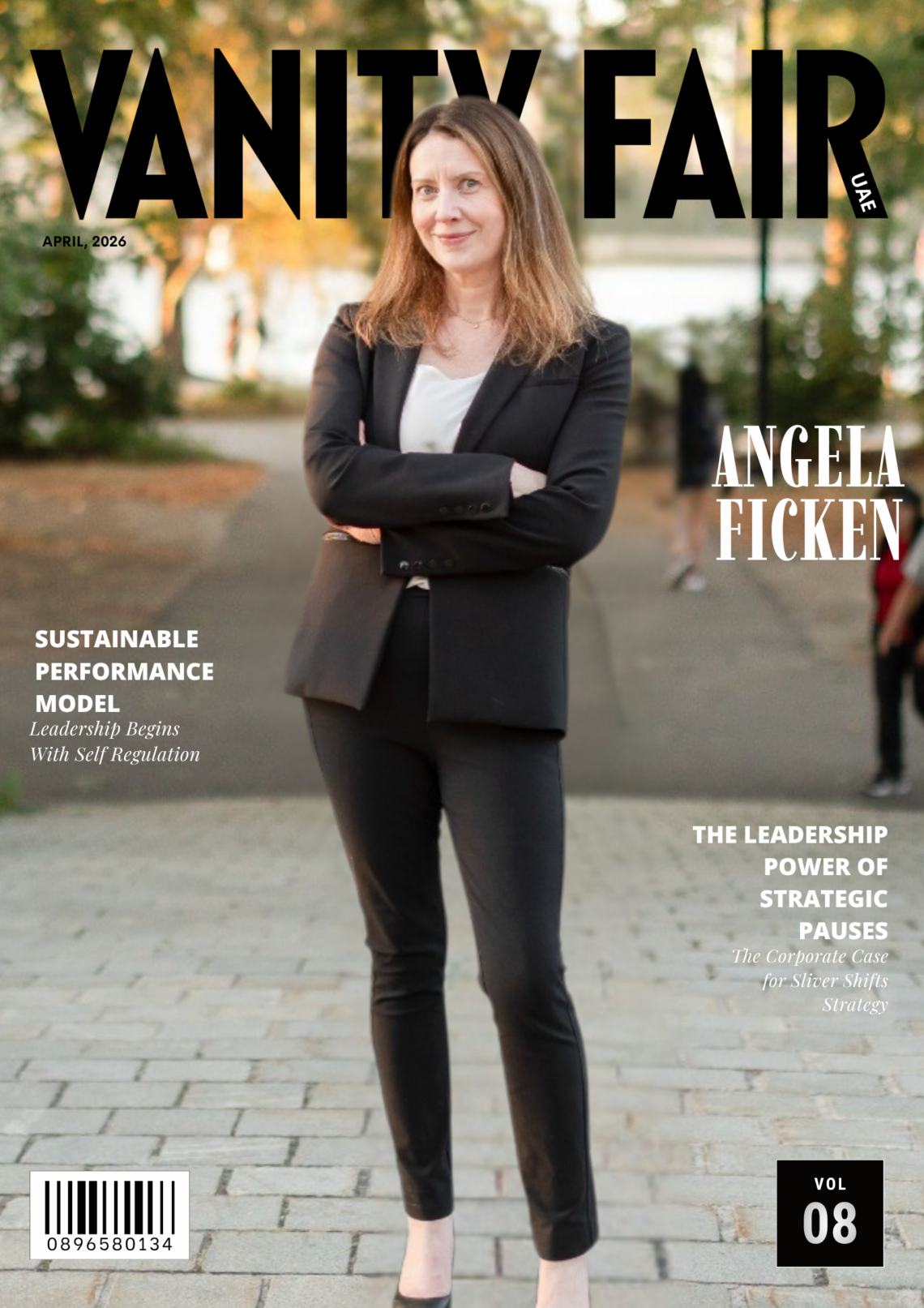
In a world that often glorifies relentless productivity, exhaustion has become a symbol of commitment. Long hours, constant availability, and the ability to push through fatigue are frequently seen as markers of dedication and success. Yet according to Boston-based therapist and entrepreneur Angela Ficken, this cultural mindset may be leading many people directly into burnout.
Rather than embracing the pressure to push forward constantly, Ficken proposes a different approach, one that centers on what she calls “Sliver Shifts.” Her philosophy suggests that meaningful change rarely comes from dramatic transformations or sweeping life overhauls. Instead, it begins with something far simpler: small, intentional resets woven into everyday life.
The idea emerged from Ficken’s own experience as a founder navigating the demands of modern work culture. Like many entrepreneurs, she was accustomed to pushing through discomfort in the name of productivity. Minor issues, such as a headache, fatigue, or mental fog, were treated as obstacles to ignore rather than signals that something needed attention.
At one point, she recognized the irony of this approach. Taking just a few minutes to step away, drink water, stretch, or simply pause often allowed her to return to work with greater clarity and focus. The realization felt almost humorous in its simplicity: sometimes the most productive decision is to take care of yourself first. From that insight, the concept of Sliver Shifts was born.
Instead of forcing major lifestyle changes that feel overwhelming or unrealistic, Sliver Shifts focus on small, manageable adjustments. These might be brief moments of rest, a few minutes of breathing or grounding, or a short walk to reset the mind and body. While each moment is small on its own, the cumulative effect can be surprisingly powerful.
Ficken believes one of the biggest challenges people faces is cultural conditioning. Modern success is often measured by visible output: how much someone produces, how busy they appear, and how much they can endure. Busyness becomes a signal of importance, while exhaustion is often treated as a natural consequence of ambition.
In reality, she argues, constantly operating on empty is not resilience. It is depletion disguised as productivity.

Through her clinical work, Ficken regularly encounters individuals who are highly capable from the outside. They maintain careers, relationships, and responsibilities while appearing composed and successful. Beneath the surface, however, many are carrying an intense burden of exhaustion and emotional strain.
The pressure to sustain constant performance can make it difficult for people to recognize their own limits. When burnout begins to emerge, the instinct is often to work harder, push further, or try to “power through.” Over time, this cycle erodes both mental clarity and emotional well-being.
Ficken’s approach offers a different path—one that reframes change as something gradual and sustainable.
The self-improvement industry frequently promotes bold transformations: complete lifestyle resets, dramatic productivity systems, or strict routines that promise immediate results. While these ideas can feel inspiring at first, they often place enormous pressure on people to change everything at once. When those expectations prove difficult to maintain, many abandon the effort entirely.
Small changes, by contrast, are easier to sustain.
Focusing on one manageable shift at a time reduces overwhelm and increases the likelihood that a new habit will stick. Over time, these incremental adjustments build momentum. What begins as a single daily reset can gradually expand into healthier patterns of living and working.
The science of stress also supports this approach. Overwhelm is not simply a matter of mindset or willpower. When someone experiences stress, the nervous system activates a biological response designed for survival. Heart rate increases, muscles tense, and the brain shifts into a state focused on immediate threat. In this state, telling someone to “calm down” or simply think positively is rarely effective.
Instead, regulation requires practical signals of safety that help the body settle again. Techniques such as breathing exercises, grounding practices, gentle movement, or brief pauses can help the nervous system shift back into balance. These moments may seem small, but they play a critical role in restoring clarity and emotional stability.
This understanding sits at the heart of Ficken’s philosophy. Sliver Shifts are not about perfection or constant self-optimization. They are about learning to recognize the body’s signals and responding with small acts of restoration before stress accumulates into burnout.
A brief pause in the middle of a demanding day, a few minutes spent breathing deeply, or stepping outside for fresh air may not seem transformative in the moment. Yet these resets allow people to replenish their mental energy and return to their responsibilities with greater focus.

In a culture that celebrates dramatic reinvention and relentless momentum, the concept of small resets may appear understated. But its quiet power lies in its sustainability. Unlike ambitious overhauls that fade within weeks, small shifts can become integrated into daily life. Over time, these slivers of care create space for clarity, resilience, and balance.
Her message ultimately challenges a deeply rooted assumption of modern life: that success requires constant pushing and endless endurance. Instead, she suggests that real progress often begins with a pause. Sometimes the most powerful change does not come from doing more. It begins with taking a moment to reset.