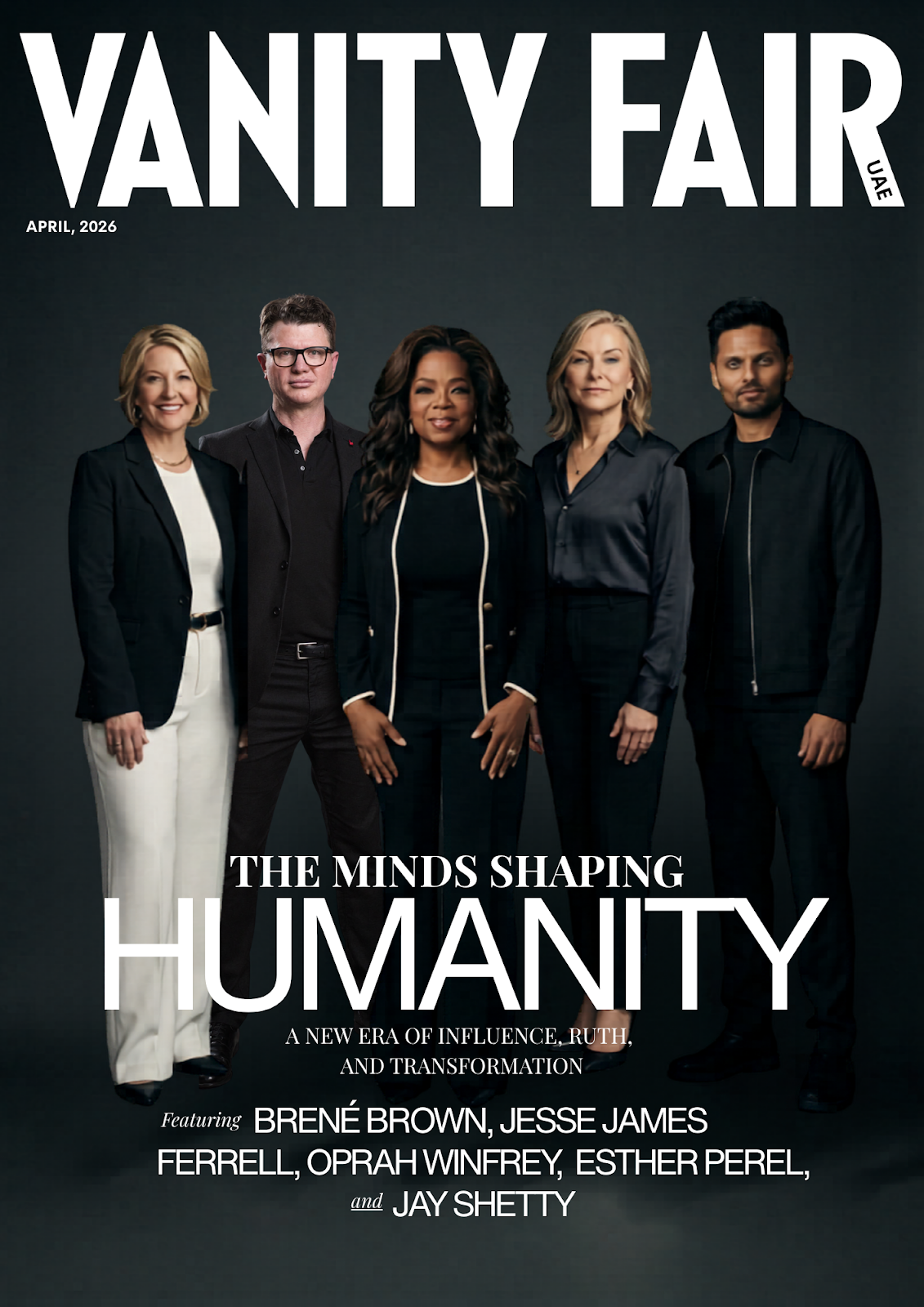
A new era of influence, truth, and transformation
Vanity Fair Exclusive × Ana Rita Valente · Legendary World
Are we the only ones who feel it?
That quiet, underlying tension.
That sense that, at any moment, the world as we know it could fracture—shift—redefine itself entirely.
Can we truly sleep well at night?
I can tell you this: I can’t.
Not because of fear—but because of awareness. Because something is happening. Culture is not evolving slowly anymore. It’s accelerating. Collapsing. Rebuilding itself in real time.
And that is precisely why this story exists.
Because at Vanity Fair, the role has never been simply to observe culture—but to decode it. To identify the forces beneath the surface. The individuals shaping not just what we see—but how we think, how we feel, how we exist within it.
Right now, we are living in a paradox.
Everyone has a platform.
Yet very few have a voice.
Visibility is everywhere.
Meaning is rare.
So the question became unavoidable:
Who is actually shaping humanity right now?
Not the loudest.
Not the most followed.
But the minds redefining emotional, cultural, and psychological frameworks in an unstable world.
This issue is not about fame.
It is about direction.
Because if the world feels uncertain, these are the people helping define where it goes next
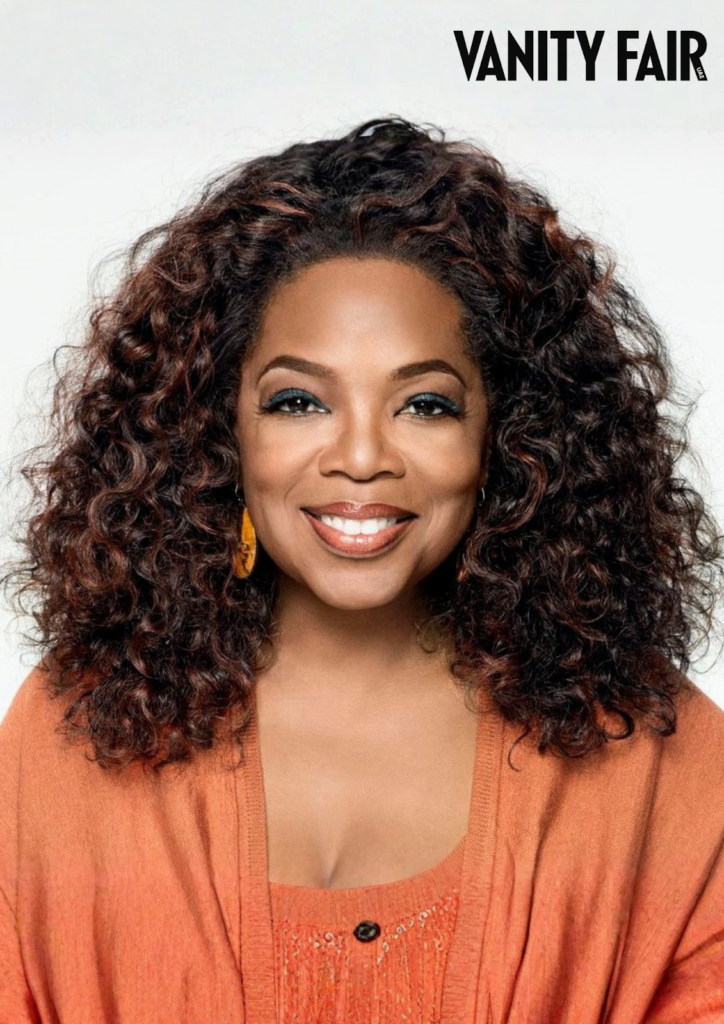
Oprah Winfrey
There are public figures—and then there are cultural forces.
Oprah Winfrey is the latter.
For decades, she has operated at a level of influence that transcends media. Her rise—from adversity to global authority—is often told as a story of success. But that framing misses the point.
Oprah did not just succeed within the system.
She rewrote it.
At a time when television rewarded spectacle, she introduced depth. When media focused on performance, she prioritized truth. Her platform became a space where emotional complexity was not hidden—but explored.
And the impact was immediate.
Millions saw themselves reflected in her conversations. Trauma, growth, identity—subjects once kept private became part of the public narrative. And with that shift came power.
What followed—what the industry would later call “The Oprah Effect”—was not just influence. It was cultural redirection. Books, ideas, voices—once invisible—were propelled into global relevance through her attention.
But Oprah’s real legacy is not amplification.
It is transformation.
Through ventures like OWN and Super Soul Sunday, she moved beyond storytelling into something more intentional—curating conversations that invite introspection, purpose, and evolution.
In a fragmented, algorithm-driven world, Oprah remains something increasingly rare:A figure who doesn’t chase attention—
but defines it.
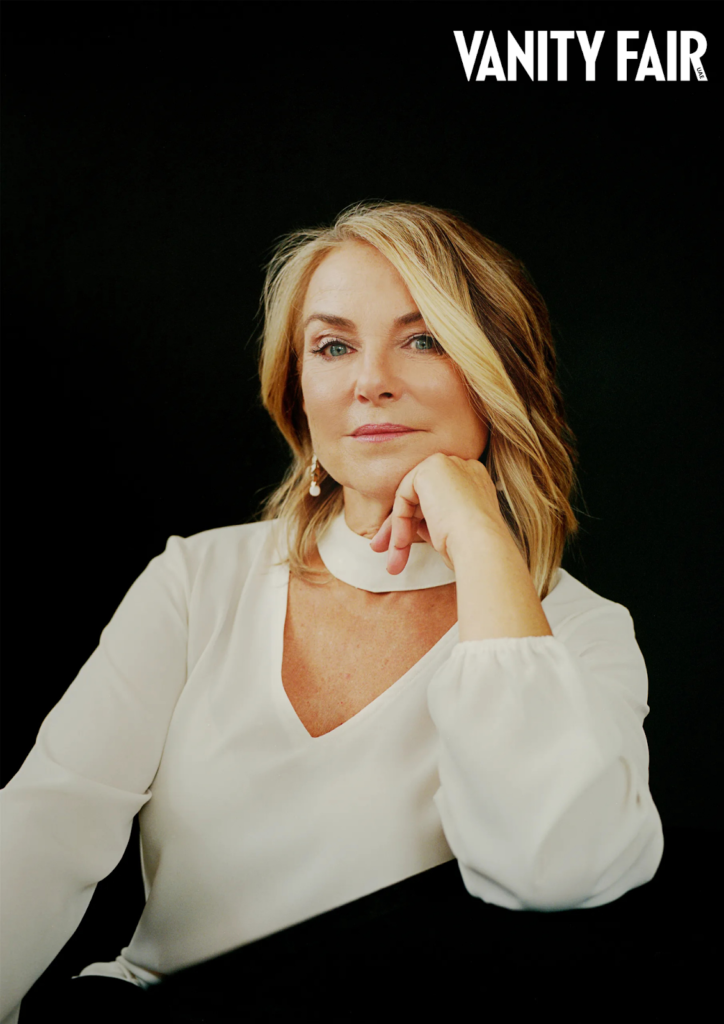
Esther Perel
Esther Perel’s work begins where most conversations about love fail.
In contradiction.
In a culture obsessed with defining relationships—labeling them, optimizing them, simplifying them—Perel reintroduces complexity. She dismantles the illusion that intimacy is stable, predictable, or easily understood.
Her central premise is unsettling—and accurate:
Modern love is built on opposing desires.
We want security.
We crave freedom.
We expect one person to provide what entire communities once did.
And when those expectations collapse, we call it failure.
Perel calls it reality.
Through her work—books, global talks, and her podcast Where Should We Begin?—she has turned private struggles into collective insight. Her approach is not prescriptive. It is exploratory. She does not offer answers.
She reframes the questions.
What makes her influence significant is not just her subject—but her timing. In an era where technology has redefined connection, intimacy itself is being renegotiated. Relationships are no longer fixed structures. They are fluid, evolving systems.
Perel gives language to that shift.
She forces us to confront the truth that love is not something we find and maintain.
It is something we continuously recreate.
And in doing so, she has positioned herself as one of the most essential interpreters of modern connection.
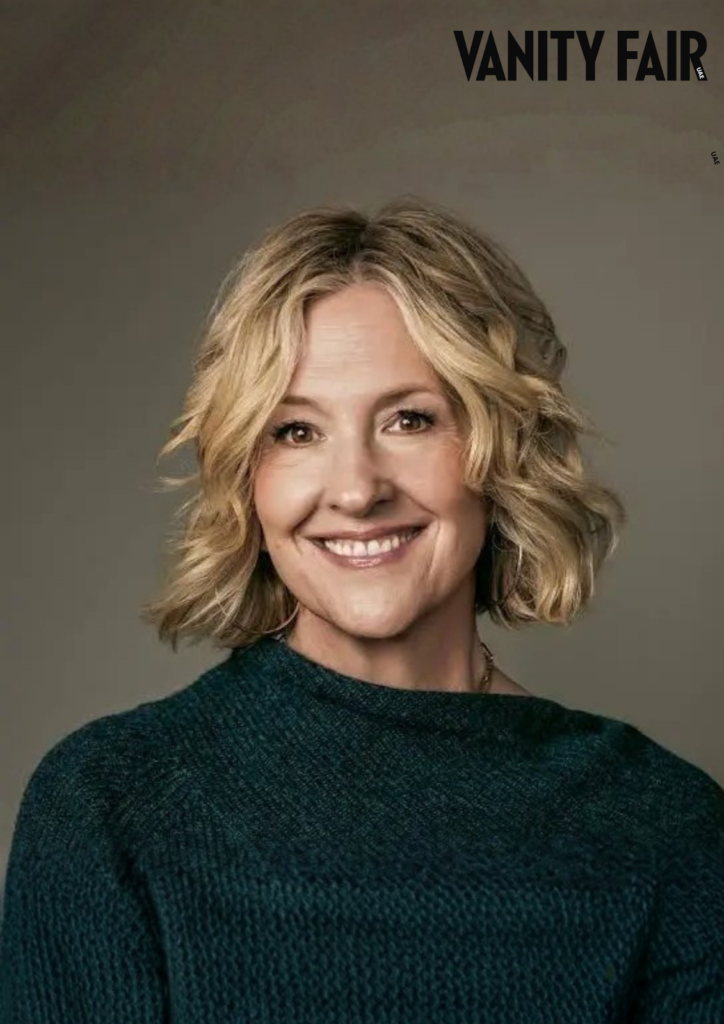
Brené Brown
Brené Brown changed the emotional vocabulary of a generation.
Before her work entered the mainstream, vulnerability was often misunderstood—associated with weakness, exposure, risk to be avoided.
Brown dismantled that entirely.
Through years of research on shame, courage, and human connection, she arrived at a conclusion that would reshape leadership, creativity, and identity itself:
Vulnerability is not weakness.
It is the foundation of courage.
Her TED Talk, The Power of Vulnerability, became a cultural inflection point. Not because it introduced new information—but because it articulated something people had felt but could not name.
And once named, it spread.
Organizations began rethinking leadership.
Creatives began embracing imperfection.
Individuals began telling the truth about their lives.
Brown’s power lies in her duality.
She is rigorous in research.
And radically human in delivery.
She does not speak from distance. She speaks from within the experience she studies—sharing her own struggles with clarity and honesty that resonates far beyond academic frameworks.
In a world built on performance, her message is disruptive:
You cannot numb vulnerability without numbing everything else.
To live fully—to create, to connect, to lead—requires the willingness to be seen without guarantees.
And that is where real power begins.
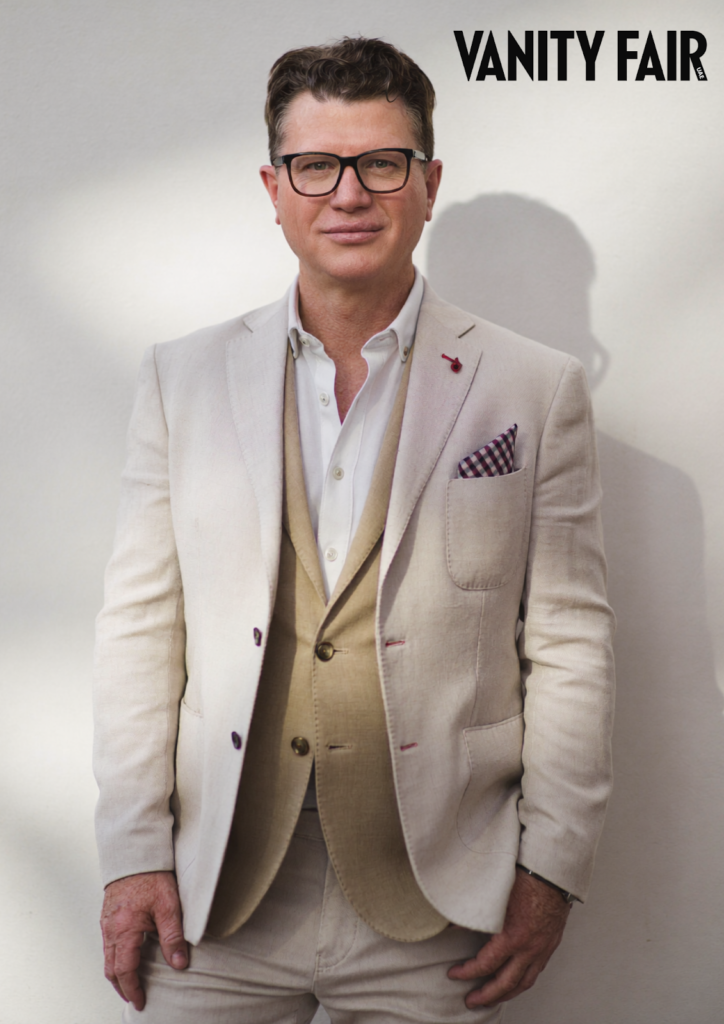
Jesse James Ferrell
Jesse James Ferrell is not inheriting influence.
He is challenging how it is created.
Placed here—intentionally, with established cultural authorities—his presence signals something important:
The next phase of influence will not look like the last but grow from it.
Ferrell operates at the intersection of identity, media, and narrative control. His work is not centered on visibility as an outcome—more as a mechanism. A system that can be understood, replicated, and—most importantly—opened to others.
And this is where his next move becomes critical.
Untamed.Today, launching in the spring of 2026, is not being positioned as a traditional platform. It is being described as an access point.
A space designed for those who have never been seen.
Not only public figures.
Not only influencers.
Not those already validated by existing systems.
Untamed.Today will bring to light a new voice.
The unseen.
The unheard.
The invisible individuals who exist outside the normal structures of those deciding who gets attention.
When it delivers on its intention, Untamed.Today could disrupt one of the most entrenched dynamics of modern culture:
Gatekeeping.
Because for decades, visibility has been controlled—by media institutions, by algorithms, by networks that filter which voices are amplified and which remain silent.
Ferrell’s model appears to invert that.
Instead of asking:
“Who is important enough to be seen?”
He asks with curiosity:
“Who is ready to speak?”
And that shift carries weight.
Because when access to visibility expands, the hierarchy collapses. The distinction between audience and creator dissolves. Identity becomes self-directed rather than externally assigned.
Early discussions around the project suggest an expansion into documentary storytelling—capturing raw, unfiltered human experiences rather than curated narratives.
As that materializes, Untamed.Today will not function as a platform in the traditional sense.
It will function as a catalyst.
Not creating celebrities.
But creating a voice for the curious, open hearted listener.
And in a world where millions can post but few feel truly seen and heard, this distinction will define the next era of influence, with soul.
https://linktr.ee/jessejamesferrell
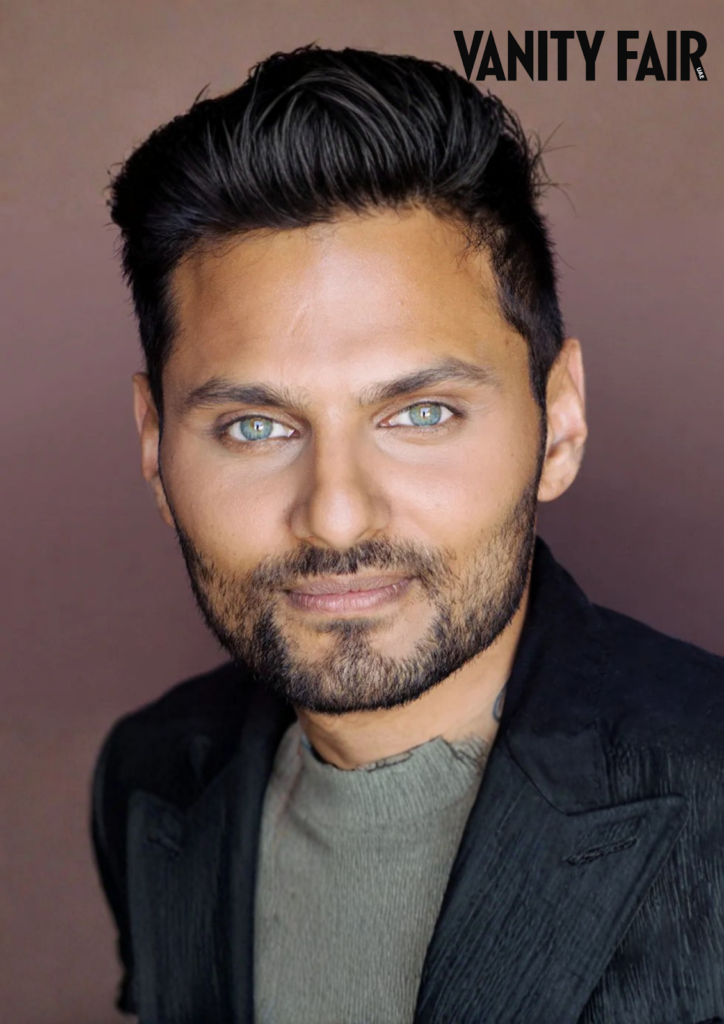
Jay Shetty
Jay Shetty understands something most modern communicators miss.
Attention is not enough.
Meaning is.
A former monk turned global media figure, Shetty has built a platform that operates within the speed of digital culture—while delivering something far slower, far deeper.
Reflection.
Through short-form videos, interviews, and his podcast On Purpose, he translates complex philosophical ideas into language that resonates immediately. Not simplified—but accessible.
This is his strength.
He meets audiences where they are—then guides them somewhere deeper.
His influence reflects a broader shift in how knowledge is consumed. Authority is no longer confined to institutions. It belongs to those who can communicate effectively within the systems people actually engage with.
Shetty has mastered that balance.
Criticism exists—particularly around the intersection of spirituality and commercialization. But that tension is not unique to him. It reflects a larger cultural reality: meaning itself is being packaged, distributed, and scaled.
And Shetty operates within that space consciously.
What makes his presence significant is not just what he says—but how he delivers it.
He has made introspection visible.
And in doing so, he has turned self-awareness into something shareable, scalable, and culturally relevant.
And maybe that is what connects all of them.
Not fame.
Not scale.
Not even influence in its traditional form.
But direction.
Because in a world that feels like it’s constantly shifting—
The people who help us understand ourselves,
who challenge how we think,
who create space for new voices—
are the ones shaping what comes next.
And this time, the future may not be defined by who is chosen.
But by who chooses to speak.